Inclusive growth has become one of the most comfortable phrases in Nigerian technology policy. It is easy to print on a conference banner but much harder to put into practice.
It is one pillar of RISE 2026, the 20th International Conference on Technology and Computing, themed “Harnessing Digital Innovation and Emerging Technologies for Inclusive Growth and Economic Renaissance”, holding in Jos, Plateau State, starting on July 27, 2026, convened by the Nigeria Computer Society alongside government and industry leaders.
Current Thinking: Inclusive Growth
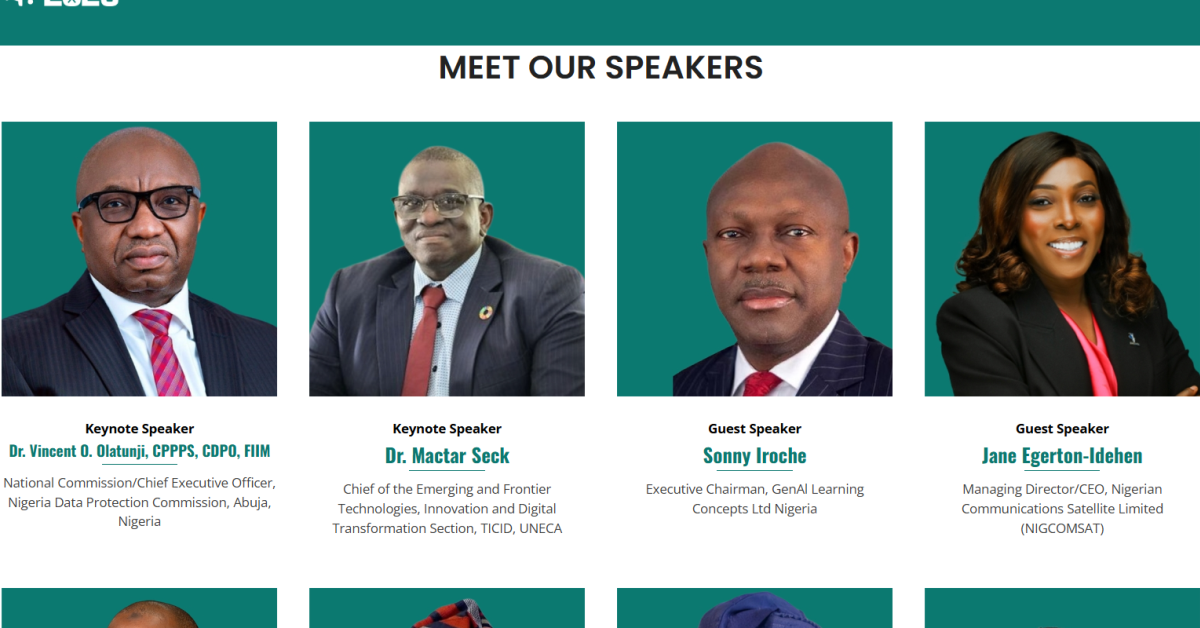
Before anything else, I want to say clearly that the conference offers a timely opportunity to engage with current thinking in the field. The conference tracks are well conceived, and the speaker lineup, from the Minister of Communications, Innovation and Digital Economy to UNECA’s Emerging Technologies lead and the Chief Executive of the Nigeria Data Protection Commission, reflects significant institutional leadership. If your work is shaping, or is shaped by, Nigeria’s digital economy, there are compelling reasons to be there.
Economic renaissance, digital innovation and emerging technologies will rightly dominate much of the conversation in Jos. But I am interested in spending a little longer reflecting on the phrase “inclusive growth”, because it is a core interest. Interestingly, I was practising it long before it became a popular policy expression.
Decades ago, before the term digital divide became part of mainstream policy discussions in Nigeria, our Jidaw team walked into Queen’s College Lagos, an all-girls institution, and introduced computer repairs and networking to students who had simply never been offered that opportunity. Nobody described it as an inclusion initiative. It did not belong to a conference track. It was simply work that needed to be done in a country where technology was widely assumed to be a male domain.
Around the same period, I organised Nigeria’s first regular free IT career seminars, conducted Public Internet Mass Awareness sessions, and distributed technology books and magazines because I believed access mattered more than optics. One young man won a book through one of our free online competitions and later became the Chief Technology Officer of a leading African payment company. That is inclusion measured by real outcomes over decades, not by attendance certificates.
I genuinely support what RISE 2026 is trying to achieve, and I commend the organising team for the initiative. At the same time, we should acknowledge the enormous gap between talking about inclusion and doing the difficult, often unseen work required to make it a reality.
So these are the questions I will be carrying into Jos, and the questions I encourage every delegate and stakeholder to carry as well.
What happens after the conference ends?
I have served on enough national initiatives, including the ICT4D Strategic Action Plan, the Nigeria e-Government Interoperability Framework, and the development of a five volume Digital Transformation Masterplan, to know that the greatest weakness in Nigerian technology policy is rarely the absence of good ideas. It is the absence of sustained implementation.
Too often, procurement is mistaken for transformation. A project is launched, photographs are taken, and the deeper institutional changes never happen.
RISE 2026 is bringing together people with the influence to shape Nigeria’s digital future. The real measure of success will not simply be the quality of the presentations. It will be whether the conference’s key recommendations are still being pursued, monitored and implemented in August 2027.
Who gets to speak, and who gets listened to?
Inclusive growth, properly understood, means that those closest to implementation, not only those closest to the podium, help shape decisions.
Throughout my career, I have found that the strongest digital transformations occurred where leaders trusted the people doing the work. I hope RISE 2026 deliberately creates space for those voices, not only through keynote addresses by ministers and chief executives, but through meaningful engagement with practitioners whose everyday experiences often determine whether policies succeed or fail.
Will this be a working conference or simply another talkshop?
I ask this from a place of commitment, especially as someone who has chaired the Nigeria Computer Society’s Conferences Committee as well as its Publicity, Events and Trade Services committee.
Professional conferences can easily settle into a familiar pattern, an excellent venue, distinguished speakers, hospitality, networking and certificates of attendance. Yet an important question remains. How much of that energy is converted into lasting value for delegates, sponsors, exhibitors, researchers, policymakers and the wider profession?
The same question applies more broadly to professional associations themselves. Is an association truly the voice of the profession, or does it risk becoming little more than a subscription collection agency with annual conferences and certificates of attendance?
I ask these questions because of my years of service on the National Executive Council of the Nigeria Computer Society and my commitment to strengthening our professional institutions. Experience has taught me that institutions grow stronger, not weaker, when they are willing to ask difficult but constructive questions.
Jos is an excellent setting for these conversations. Its cool climate, peaceful environment and distance from the distractions of larger cities provide the kind of atmosphere that encourages thoughtful reflection. That matters.
But a good venue has never been Nigeria’s greatest challenge.
Institutional follow through has been the major concern.
If you are attending RISE 2026, go. Participate fully. Listen carefully. Encourage youth ideas and innovations. Mentor others. Build new relationships. Share your ideas.
But carry one important question with you.
When we gather again next year, will inclusive growth be something we can demonstrate through measurable outcomes, or will it still be a phrase that sounded inspiring on a conference banner?
To learn more about RISE 2026, explore the conference programme, or register to attend, visit the official conference website.
Author: Jide Awe
Science, Technology and Innovation policy advisor.
Nigeria’s Inaugural Tech Mentor of the Year
Find him on LinkedIn: Jide Awe on LinkedIn
Find him on TikTok: ji.daw on TikTok
Find him on Twitter: @jidaw